
Colorado Springs Pad Thai, How to Tell a Great Plate From an Average One
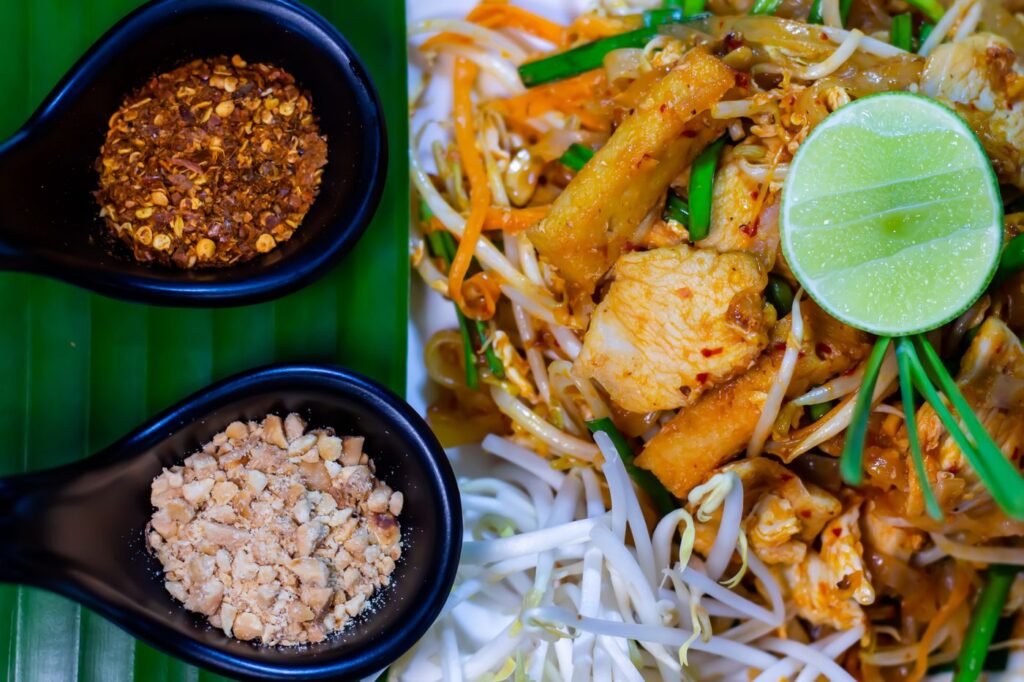
Pad Thai is the most ordered Thai dish outside Thailand and the one most often turned into something else. The version many people grew up on is sweet, faintly red and softer than it should be. The dish it came from is sour before it is sweet, and the noodle still has a bite.
Pad Thai is the dish a Thai kitchen gets judged on, fairly or not. It is the plate most people order first, the one they order again, and the one they compare across every restaurant they visit. That makes it a useful test, but only if you know what you are testing for.
At Nakhon Luang Thai Kitchen, we make it four different ways, which is more than most kitchens bother with. That is not an accident, and the reasons are worth explaining.
If you want a recommendation for which of the four fits you, contact us and we will point you at one.
What follows is what the dish is built from, why so many versions drift, how to judge a plate in about three bites, and what the four options on our menu actually are.
What Pad Thai Is Supposed to Be
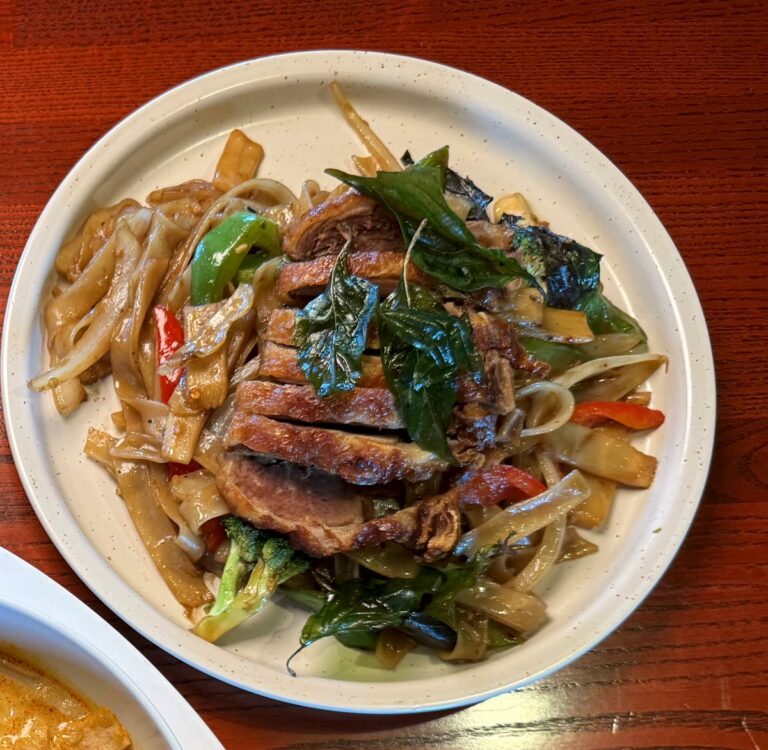
Strip it back and Pad Thai is a stir-fried rice noodle dish balanced across sour, salty and sweet, in that order of importance. Everything below follows from that ordering.
The Noodle Does the Work
Pad Thai uses thin, flat rice noodles, and the way they are handled decides most of the plate. They are soaked rather than boiled, so they arrive at the pan pliable but not cooked through, then finish in the heat with the sauce around them.
Done properly the noodle stays separate and springy, with a little resistance left in it. Done badly the noodles clump into a single mass, which happens when they were boiled soft before they ever reached the wok.
Texture is the first thing to check and the hardest thing to fake. A kitchen either respects the soak or it does not.
Sour Before Sweet
The classic sauce is built on tamarind for sourness, fish sauce for salt, and palm sugar for sweetness. The tamarind is supposed to lead. The sugar is there to round the sourness off, not to replace it.
That ordering is the whole character of the dish. A plate where sweetness arrives first and sourness turns up late, if at all, is a plate where the balance has been inverted.
Tamarind is not an exotic ingredient here, incidentally. It appears by name across our full Thai menu, in the Nam Tok and Yum Nua beef salads and in two of our cocktails, so it is in regular use in the kitchen.
The Garnish Is Not Optional
Crushed peanuts, bean sprouts and green onion are not decoration. The peanuts add fat and a coarse texture against a soft noodle. The bean sprouts add water and crunch. The green onion adds a sharp top note that keeps the plate from reading flat.
Take those three away and you have a sweet noodle dish. Leave them on and you have four textures in one bite, which is the actual experience the dish is built to deliver.
Egg Is Structural
Egg goes into the pan and gets broken through the noodles rather than sitting on top as a separate item. It carries fat, it binds, and it softens the edge of the tamarind.
Our Pad Thai lists egg in its description in every version we make, which is worth checking on any menu, because it is one of the first things dropped when a dish gets simplified.
Why So Many Versions Taste Sweet and Look Red
Most people who say they do not like Pad Thai have had a version that drifted. The drift is consistent and it happens in a predictable order.
The Sauce Shortcut
Tamarind paste has to be worked into a sauce. It is sour, slightly bitter and needs balancing against salt and sugar every time. A pre-mixed bottled sauce removes that step and removes the variability with it.
What it also removes is the sourness, because a commercially stable sweet sauce keeps far better than a tamarind-forward one. The shortcut is a real operational decision, not laziness, but it changes the dish.
Sugar Standing In for Sour
Once the tamarind is reduced, something has to carry the flavor, and sugar is the easiest substitute. Add ketchup or a sweet chili sauce for color and body and you get the version a lot of Americans think of as Pad Thai: red-tinted, noticeably sweet, and one-dimensional after the first few bites.
It is not that this version is inedible. It is that it has stopped being a balanced dish and become a sweet one.
The Noodle Goes Next
Kitchens that pre-cook noodles in bulk get a softer, stickier plate. The noodle arrives already fully cooked and then spends more time in a hot pan, so it goes past springy into soft.
That is the point where a Pad Thai stops having any texture to speak of, and no amount of garnish rescues it.
What Gets Lost
Put those three together and you lose the thing the dish is actually about, which is contrast. Sour against sweet, crunchy against soft, salty against fresh.
A good Pad Thai is interesting on the tenth bite. A drifted one is at its best on the first.
How to Judge a Plate in Three Bites
You do not need to have eaten in Bangkok to assess a Pad Thai. Three checks, in order.
Check the Noodle First
Before anything else, pick up a forkful and see whether the strands separate. They should come apart with a little resistance and stay distinct on the fork.
If the whole portion lifts as one piece, it was overcooked or held too long. That tells you more about the kitchen than the sauce will.
Taste for Sour Before Sweet
Take a bite with no garnish on it and pay attention to which flavor arrives first. Sourness should land early, with the sweetness following behind and rounding it.
If sugar is the first thing you taste and nothing sour ever shows up, the sauce is a shortcut. That is a preference question rather than a fault, but it tells you what you are eating.
Look at What Is on Top
Crushed peanuts, bean sprouts and green onion should all be visible and present in quantity. A thin dusting of peanuts is a cost decision showing up on the plate.
If a wedge of lime comes with it, use it. Acid is what a slightly flat Pad Thai is usually missing, and the fix is in your hand.
The Four Ways to Order Pad Thai on Our Menu
Most kitchens carry one. We carry four, and they are genuinely different plates rather than portion sizes of the same thing.
| Version | What Is In It | Who It Suits |
|---|---|---|
| Nakhon Luang Signature Stir Fried Noodles (Pad Thai) | Rice noodles stir fried with egg, lemongrass, bean sprouts and grilled chicken, topped with ground peanuts and green onion | Anyone who already knows the standard version and wants to taste what the kitchen does with it |
| Pad Thai | Stir-fried rice noodles with egg and bean sprouts, topped with green onions and crushed peanuts, with a choice of nine proteins | A first order, or anyone who wants to pick the protein themselves |
| Pad Thai Woon Sen | The same build on vermicelli glass noodles instead of rice noodles, with egg, bean sprouts, green onions and crushed peanuts | Anyone who finds rice noodles too soft and wants a thinner, springier strand |
| Kid’s Pad Thai | The standard build, served with a juice box and one crab rangoon | A smaller plate at a family table |
The Signature Version, and Why Lemongrass Is In It
The one worth explaining is the signature. It is the only version with lemongrass stir fried through it, and the protein is grilled chicken rather than chicken cooked in the pan with the noodles.
Lemongrass is a citrus-pine aromatic, and putting it into a tamarind-based noodle dish pushes the whole plate brighter. It is not a traditional Pad Thai ingredient, and it is not pretending to be. It is a kitchen decision, and it is the reason that version carries the restaurant’s name.
Grilling the chicken separately does something similar. It brings char to a dish that otherwise has none, so there is a smoky note against the sour and the sweet.
Choosing Between Rice Noodle and Glass Noodle
The Woon Sen version is the one people overlook. Glass noodles are made from mung bean starch rather than rice, and they behave differently in a pan: thinner, more slippery, and they hold their springiness longer.
If your complaint about Pad Thai has ever been that the noodles go soft, that is the version to try. The sauce and garnish are the same, only the strand changes.
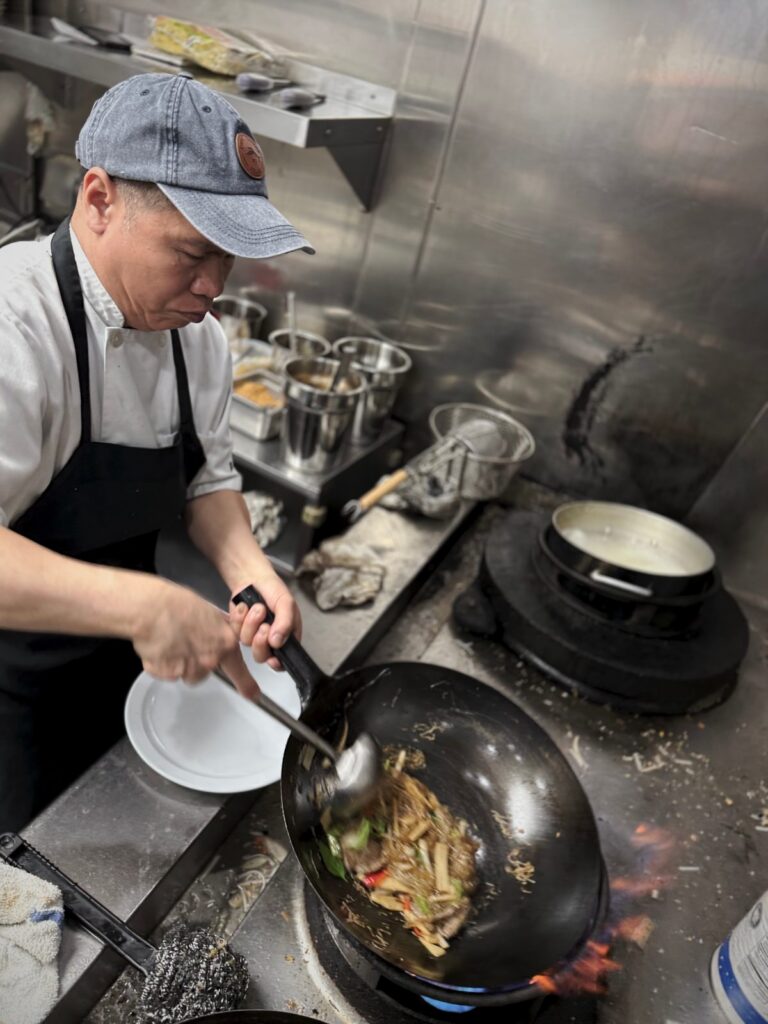
The kitchen behind all four is worth a word. Nakhon Luang was founded by Chef Toui, from Laos, with Bangkok-born influences, which is why the menu carries Central Thai standards and Northern, Isan and Lao dishes on the same page rather than choosing one.
Where to Order Pad Thai in Colorado Springs
Pad Thai is on almost every Thai menu in the city, which makes it the hardest dish to choose a restaurant by and the easiest dish to judge one with. The tests above take about a minute and they work anywhere.
If you already have a Pad Thai you like, order the signature version next to it and taste them side by side. The lemongrass and the grilled chicken are a real difference rather than a plating one, and the comparison is the point.
If you have never been sure whether you like Pad Thai or just tolerate it, the odds are decent that you have been eating the sweet, drifted version. Order one where the sourness leads and see whether the answer changes.
Here at Nakhon Luang Thai Kitchen we are at 805 Village Center Drive in Rockrimmon, on the north side of the city, open daily for lunch and dinner. All four versions are on the same menu.
Pick the Pad Thai that suits you on our online ordering page and skip the line at the counter. If you would rather ask about the signature version first, we are on (719) 531-5175.
Frequently Asked Questions
What is Pad Thai made of?
At its core, thin flat rice noodles stir fried with egg and bean sprouts in a sauce balanced across sour, salty and sweet, then finished with crushed peanuts and green onion. The classic sauce is built on tamarind, fish sauce and palm sugar. Ours lists rice noodles, egg and bean sprouts with green onions and crushed peanuts on top, and the signature version adds lemongrass and grilled chicken.
Why is some Pad Thai red and sweet?
Because the tamarind has been reduced or replaced. Tamarind paste needs balancing every time it is used, so some kitchens move to a pre-mixed sweet sauce, sometimes with ketchup or sweet chili for color and body. The result is stable and consistent to produce, but it inverts the dish, putting sugar first where sourness is supposed to lead.
Is Pad Thai the same as Pad See Ew?
No. Pad Thai uses thin rice noodles with egg and bean sprouts, finished with green onions and crushed peanuts, and it leans sour and sweet. Pad See Ew uses large flat rice noodles with egg, carrots and broccoli in soy sauce, so it tastes savory and a little smoky instead. Texture is the fastest way to tell them apart, since Pad Thai is light and springy and Pad See Ew is soft and chewy.
What is Pad Thai Woon Sen?
The same dish built on vermicelli glass noodles rather than rice noodles. Glass noodles are made from mung bean starch, so they are thinner and hold their spring longer in a hot pan. Everything else stays the same, including the egg, bean sprouts, green onions and crushed peanuts. It is the version to order if soft noodles are your usual complaint.
Can I get Pad Thai without peanuts on it?
Ask when you order. Crushed peanuts are part of the standard build on every version we make, so leaving them off is a request rather than a default. Our menu also asks guests to raise any allergy or dietary need directly, and that is a conversation to have with us rather than something to work out from a menu description.
What protein goes best with Pad Thai?
The Noodle section offers a choice of nine, which are pork, tofu, mixed vegetables, chicken, beef, shrimp, salmon, combination seafood and duck. Chicken and shrimp are the most common picks and both sit comfortably against the sauce. Tofu works well because it takes on the tamarind rather than competing with it. If you want the grilled version instead of pan-cooked, the signature is the one to order.
Can Pad Thai be made spicy?
Yes. All dishes on our menu can be made to your desired spice level, so Pad Thai can be ordered gentle or with real chili in it. On an online order, type the level into the notes before you check out, because a preference nobody writes down never reaches the kitchen.
Is there a Pad Thai for kids?
There is. Kid’s Pad Thai is the standard build of stir-fried rice noodles with egg and bean sprouts, topped with green onions and crushed peanuts, served with a juice box and one crab rangoon. It sits on the Kids Menu alongside Kid’s Pad See Ew and Kid’s Fried Rice.
Where can I find the best pad Thai in Colorado Springs?
The honest answer is that it depends on which version you want, which is why the three checks above are more useful than a ranking. Look for a noodle that separates on the fork, sourness that arrives before sweetness, and peanuts, bean sprouts and green onion present in real quantity. We are at 805 Village Center Drive in Rockrimmon on the north side of the city, and we make four versions, including a signature one with lemongrass and grilled chicken.